Historical Face Reading
Aristotle (384 BCE - 322 BCE): Physiognomy Reading
Aristotle holds a unique place in the history of physiognomy: he was its founder, or at least its first systematic practitioner. The text known as Physiognomica, attributed to Aristotle's school if not Aristotle himself, is the oldest surviving systematic work on face reading.
Last updated: 2026-06-10
Aristotle holds a unique place in the history of physiognomy: he was its founder, or at least its first systematic practitioner. The text known as Physiognomica, attributed to Aristotle's school if not Aristotle himself, is the oldest surviving systematic work on face reading. It established the comparative method: reading human features against animal archetypes: that ran through Lavater and continues in modern physiognomy practice. Aristotle's face, recorded in ancient busts and coins, provides an interesting case: the man who taught the world to read faces.
Historical Record
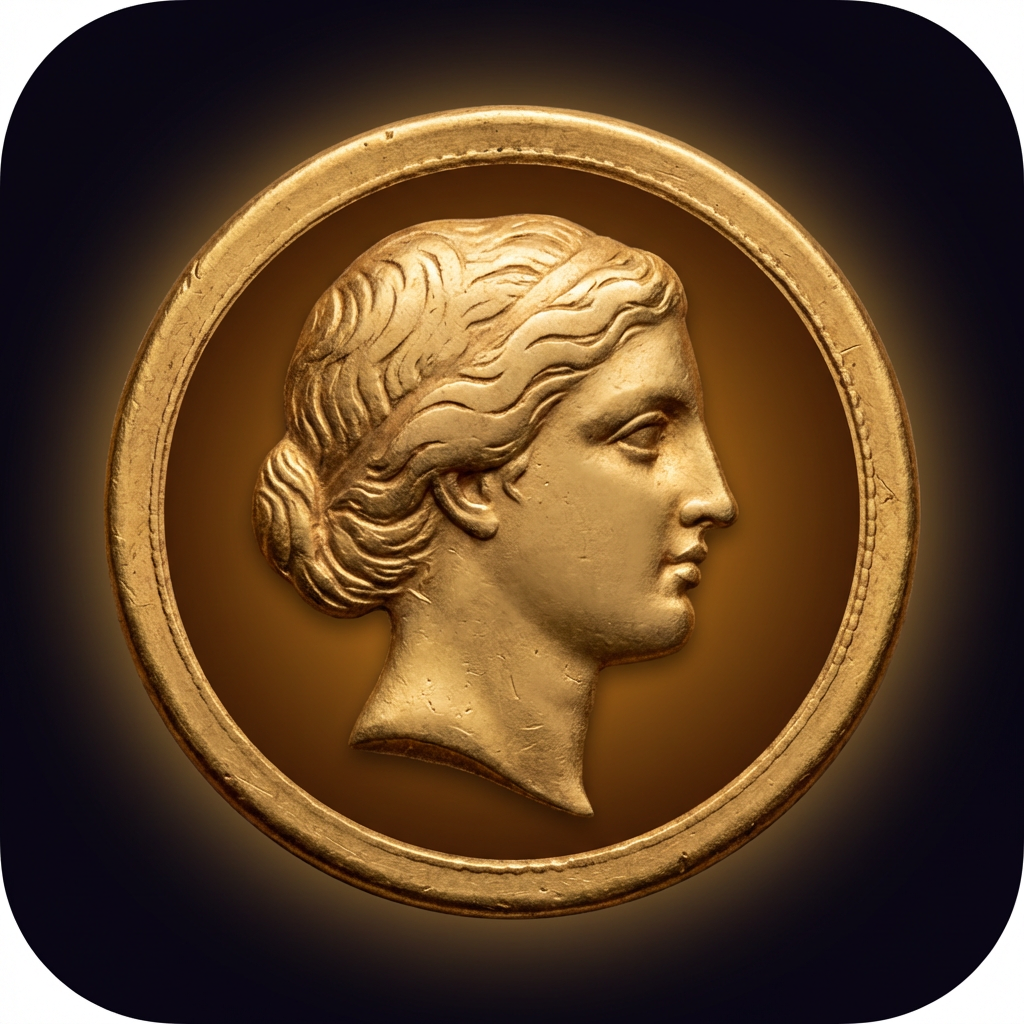
Ancient descriptions and portrait busts show Aristotle with a compact, well-proportioned face: a broad, prominent forehead; direct, clear eyes; a straight or slightly prominent nose; and a firm, set mouth with a characteristic slight squint that ancient sources attributed to nearsightedness. He was reportedly small in build, well-dressed, and wore rings. Diogenes Laertius wrote that he had a slight lisp, small eyes, and was notably attentive to his own appearance.
Facial Analysis
The broad, prominent forehead in ancient portraits of Aristotle maps to the type of systematic, organizing intelligence he exemplified: not the flashing insight of Plato, but the patient, exhaustive classification of everything: biology, politics, ethics, rhetoric, drama, physics. This is the upper-zone thinker who wants to understand the architecture of things rather than transcend it. The firm, set mouth and straight nose signal intellectual confidence and the willingness to challenge received authority: Aristotle directly contradicted his teacher Plato on multiple fundamental questions. The direct, clear gaze in portrait busts maps to the empirical orientation: the man who wanted to observe things himself rather than reason about them from first principles alone.
Temperament: Melancholic-Phlegmatic
Aristotle's extraordinary range: he produced systematic works on biology, politics, rhetoric, poetics, physics, metaphysics, and ethics: is the Melancholic temperament's exhaustive, classifying impulse applied across every domain of knowledge. The Phlegmatic provides the equanimity that let him work methodically for decades, move between courts and cities without losing his focus, and build a school that lasted for centuries.
Legacy in Physiognomy
Aristotle is the father of Western physiognomy. The Physiognomica established the comparative method that all subsequent physiognomists used. His observation that the face records character: and that character can be read from the face by a trained observer: shaped Western thought about appearance and inner life from ancient Greece through the present.
Related Reading
Frequently Asked Questions
Related Reading
Discover Your Own Reading
The same system that analyzed Caesar, Napoleon, and Lincoln is available for your face. Completely free. No account needed.
Download Free on App Store